

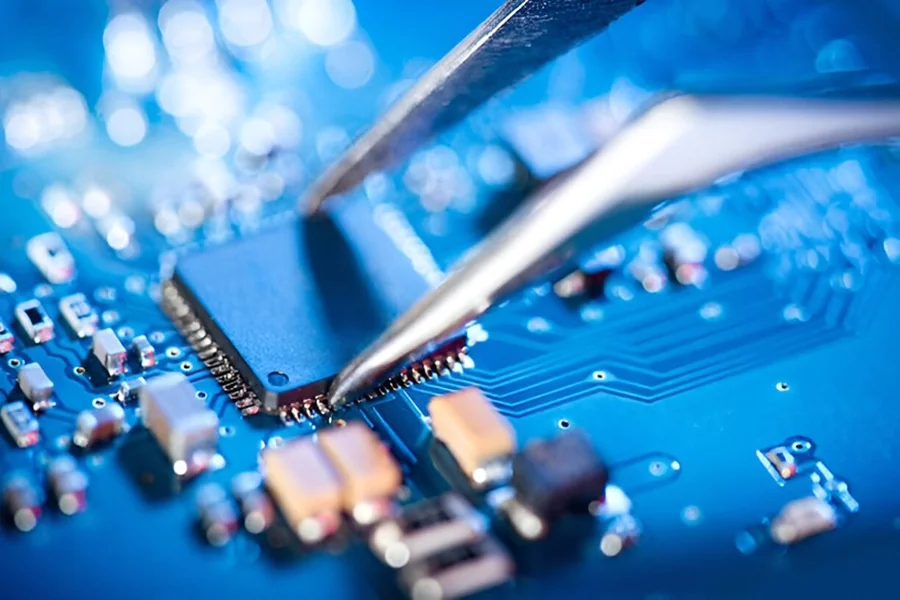
PCB design and assembly is the complete journey of turning an electronic concept into a functional circuit board. It starts with creating a detailed schematic, converting it into a board layout, preparing the manufacturing files, and finally assembling all electronic components onto the board. The combination of design and assembly ensures that the final PCB is not only manufacturable but also reliable and optimized for performance. As products become more advanced and compact, integrating both design and assembly is essential for minimizing errors, improving quality, and reducing production turnaround time.
The Importance of PCB Design in the Overall Process
PCB design is the foundation of every electronic device. It involves selecting the right components, designing the circuit flow, arranging layers, adding vias, managing thermal distribution, and planning signal integrity. A well-designed PCB reduces noise, improves EMI/EMC behaviour, and ensures stable power delivery. This phase also includes design rule checks and layout verification to confirm that the board follows industry standards. A precise design saves both time and cost in manufacturing because fewer revisions are required, and the final board performs exactly as intended in the application.
How PCB Assembly Brings the Design to Life
Once the design is finalized, the assembly stage transforms the digital layout into a working physical board. It starts with preparing the bare PCB, applying solder paste, placing components, and running the board through reflow or wave soldering depending on the technology used. Surface mount technology is usually the first stage, followed by through-hole soldering if the board contains mixed components. Automated inspection methods such as AOI and X-ray are used to ensure that all solder joints are perfect and components are placed accurately. After inspection, the assembled board undergoes functional testing to verify that it operates according to the original design requirements.
Why Combining PCB Design and Assembly Improves Quality
Managing PCB design and assembly as a unified process improves communication between design engineers and assembly technicians. When both stages are optimized together, manufacturers can identify production risks early during the design phase. This includes identifying unsuitable pad sizes, incorrect footprints, insufficient spacing, or thermal imbalance. Early detection improves yield, prevents costly rework, and ensures that the final boards meet high reliability standards. A connected workflow also speeds up prototyping because the design is created with manufacturability in mind from the very beginning.
Key Steps in the PCB Design and Assembly Lifecycle
The complete lifecycle of PCB design and assembly includes conceptualizing the schematic, creating the layout, selecting layers, and optimizing the board stack-up. Once the design is ready, Gerber files, pick-and-place data, and BOM lists are prepared for production. The assembly process begins with stencil creation, solder paste application, and SMT component placement. Following this, the board moves through reflow soldering, THT insertion if required, and final soldering. The last part of the lifecycle includes inspection, testing, and packaging. This structured flow ensures that the product meets functional and durability requirements before reaching customers.
The Role of Testing in PCB Design and Assembly
Testing is a vital part of the PCB design and assembly workflow because it guarantees that the circuit functions as expected. Depending on the board complexity, several tests may be performed, including ICT, functional testing, flying probe testing, or burn-in testing. These tests help detect issues such as shorts, opens, incorrect component values, or thermal instability. Strong testing protocols improve long-term reliability and reduce field failures. Testing also gives engineers feedback on the original design, which helps refine future iterations and improve overall product quality.
Applications That Depend on High-Quality PCB Design and Assembly
PCB design and assembly plays a major role across industries including consumer electronics, automotive systems, medical equipment, aerospace, industrial automation, and telecommunications. These sectors require precise layouts, stable signal behaviour, and dependable component soldering. High-quality PCB engineering ensures that end products remain safe, durable, and efficient under various operating conditions. As devices continue to shrink in size while increasing in performance demands, advanced PCB design and assembly capabilities have become essential for meeting market expectations.
Future Trends in PCB Design and Assembly
The future of PCB design and assembly is moving toward higher-density layouts, advanced HDI structures, flexible and rigid-flex circuits, and integration of embedded components. Automation, AI-driven design tools, and smart manufacturing workflows are making the overall process faster and more accurate. Predictive analysis during the design stage will help eliminate manufacturability issues early, while advanced soldering technologies will improve thermal and electrical performance. These trends will allow engineers to build powerful, compact, and energy-efficient electronics for next-generation applications.
Ready to Build Your PCB with a Reliable Partner?
If you want a seamless journey from concept to final product, choosing the right PCB assembly service is essential for achieving high quality, faster turnaround, and optimum reliability. A professional partner ensures that your PCB design and assembly process is handled with precision, consistency, and advanced engineering support at every stage.
